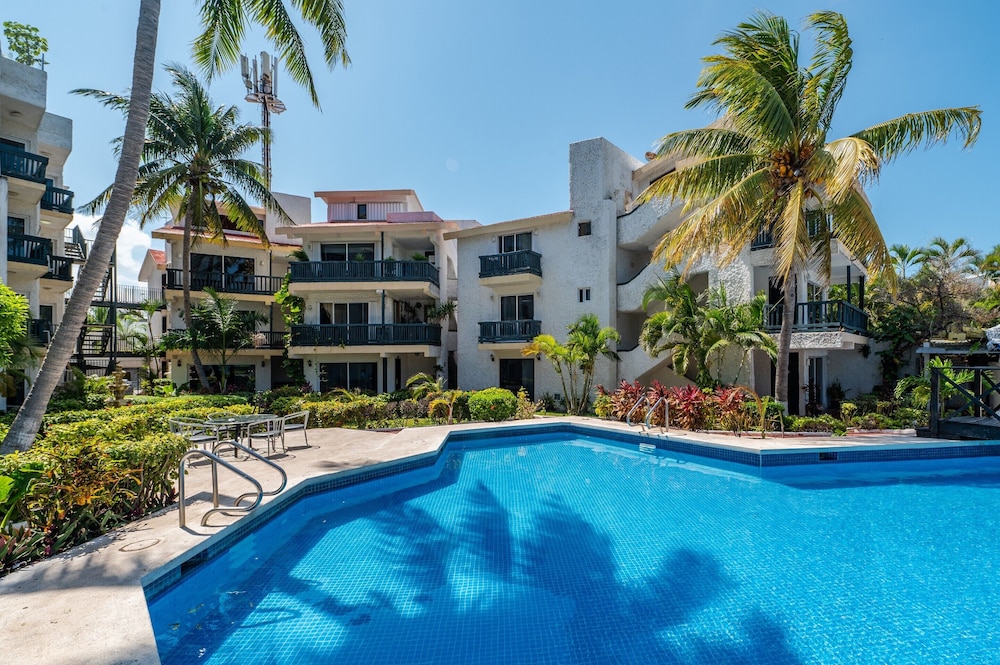
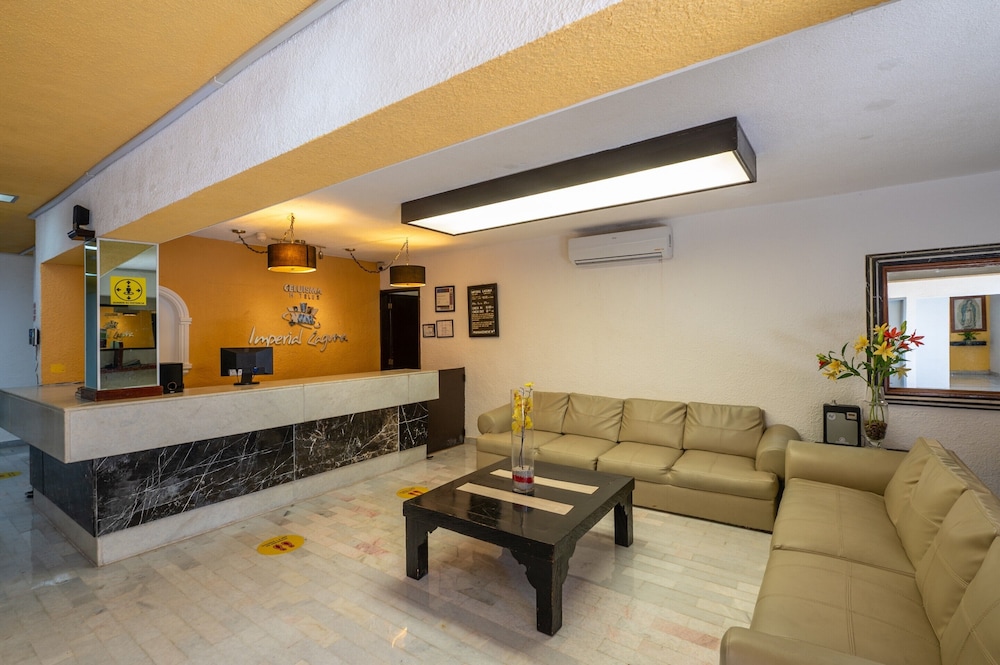
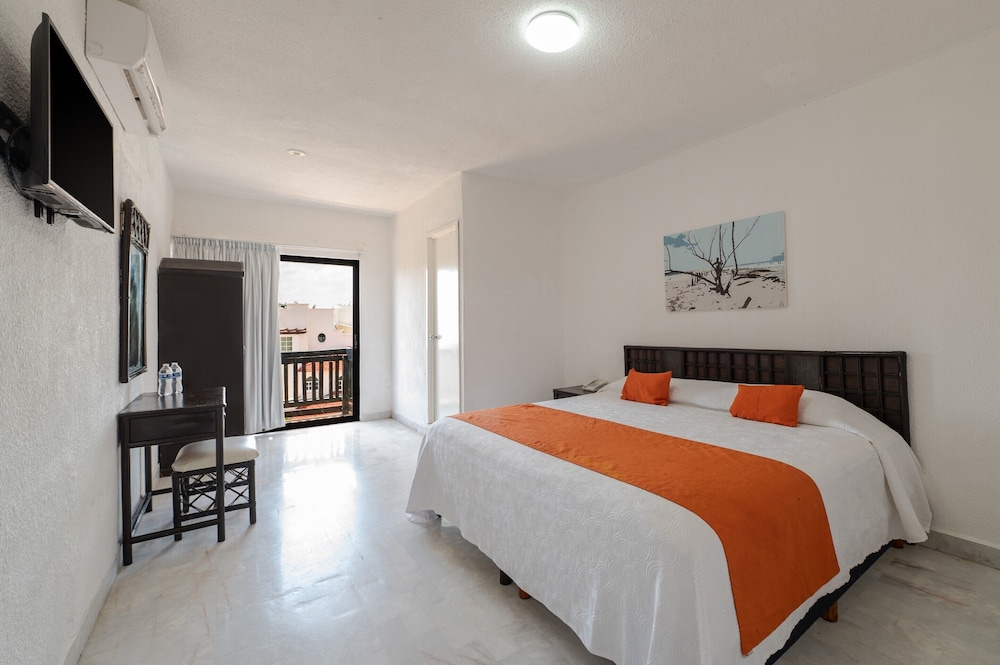
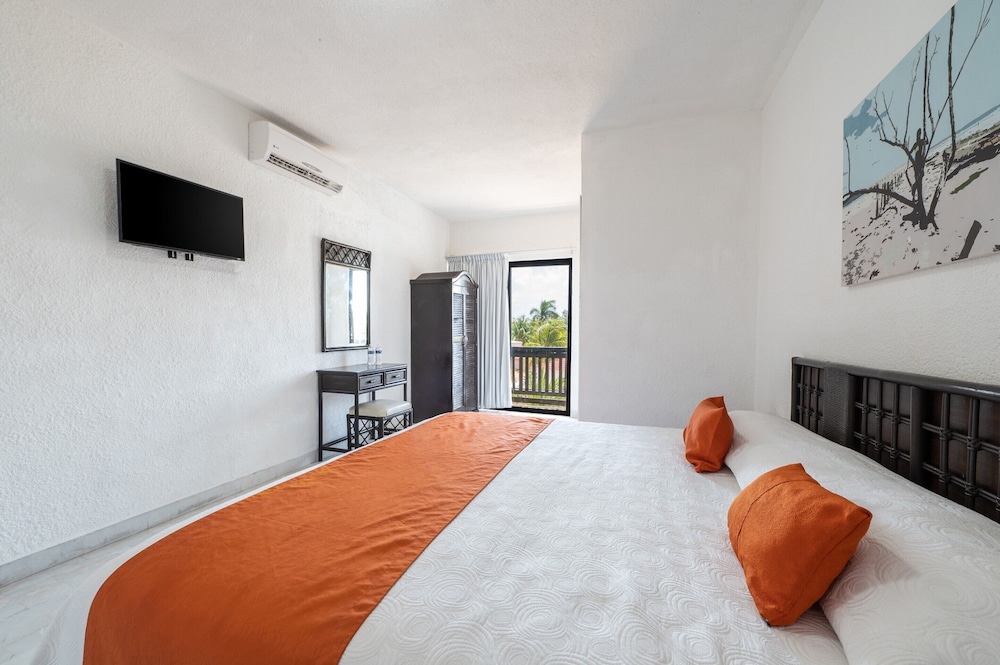
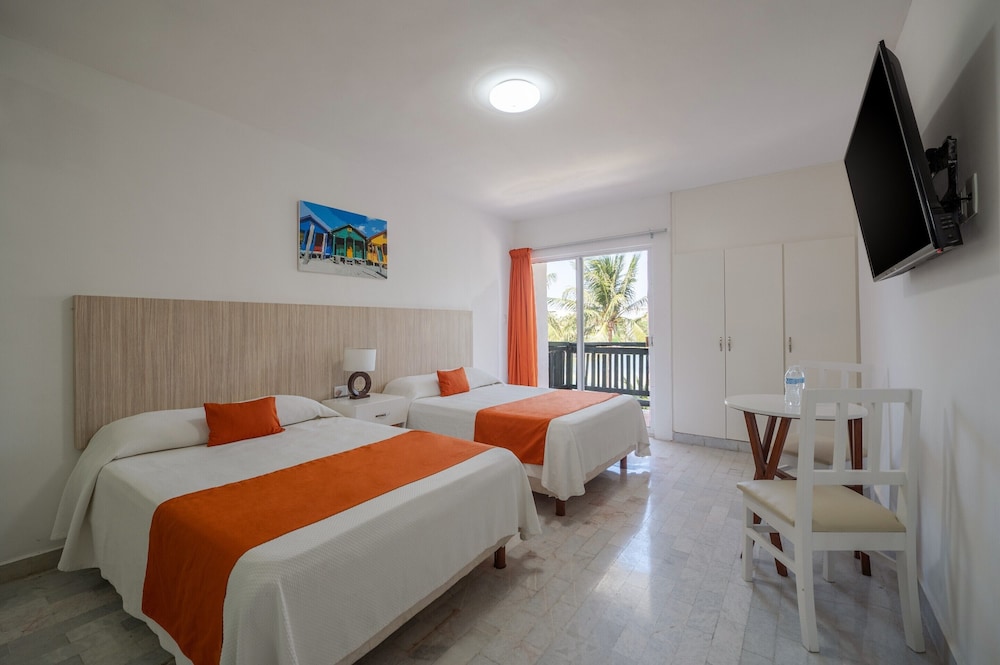
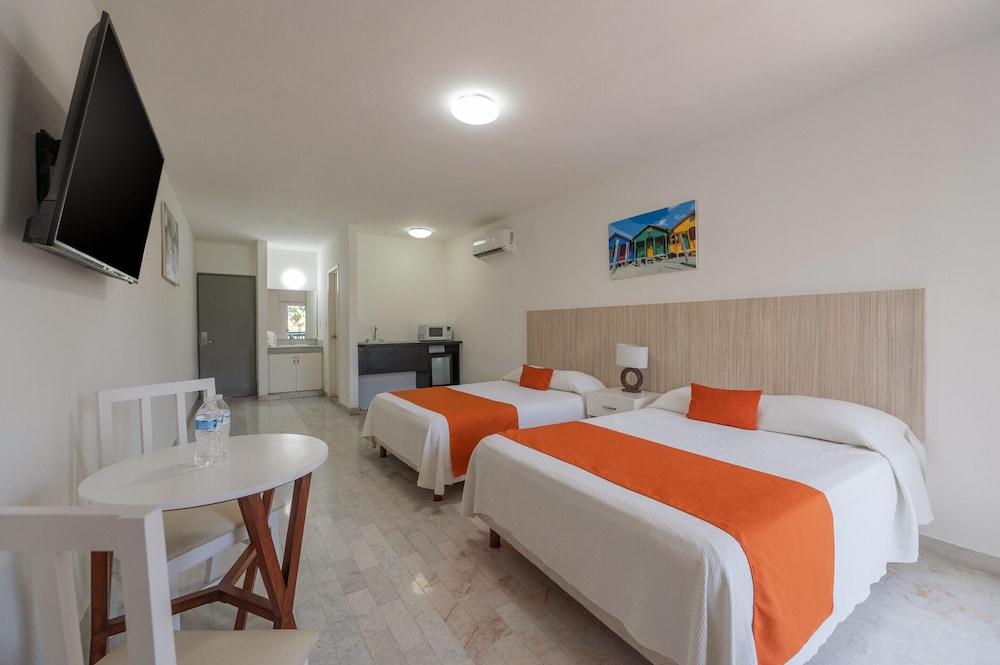
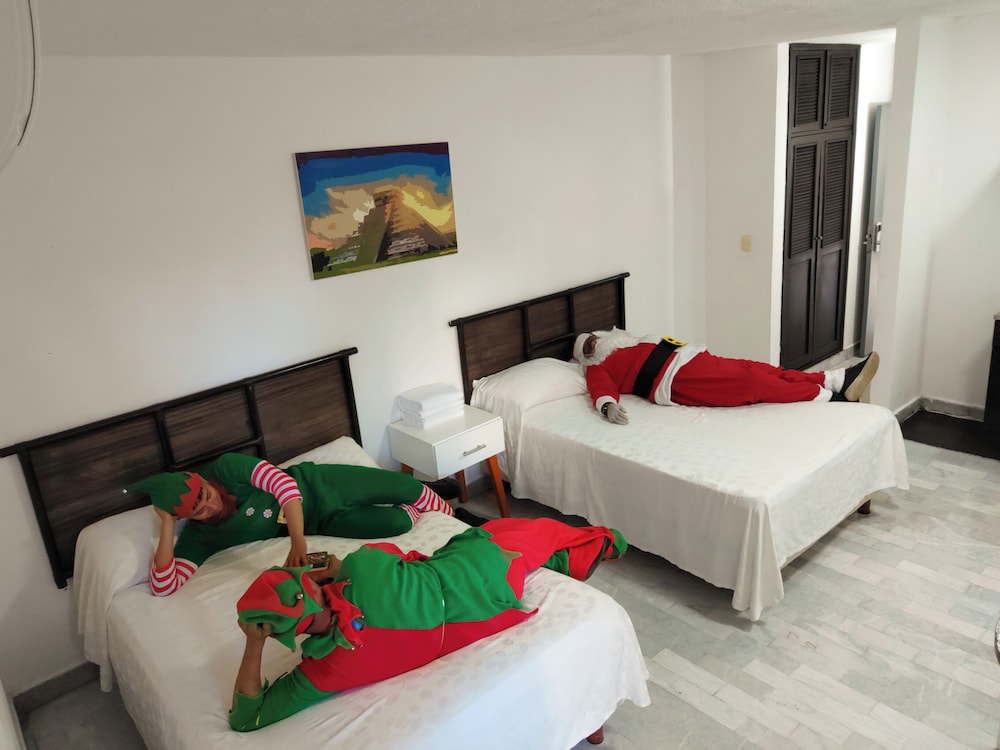
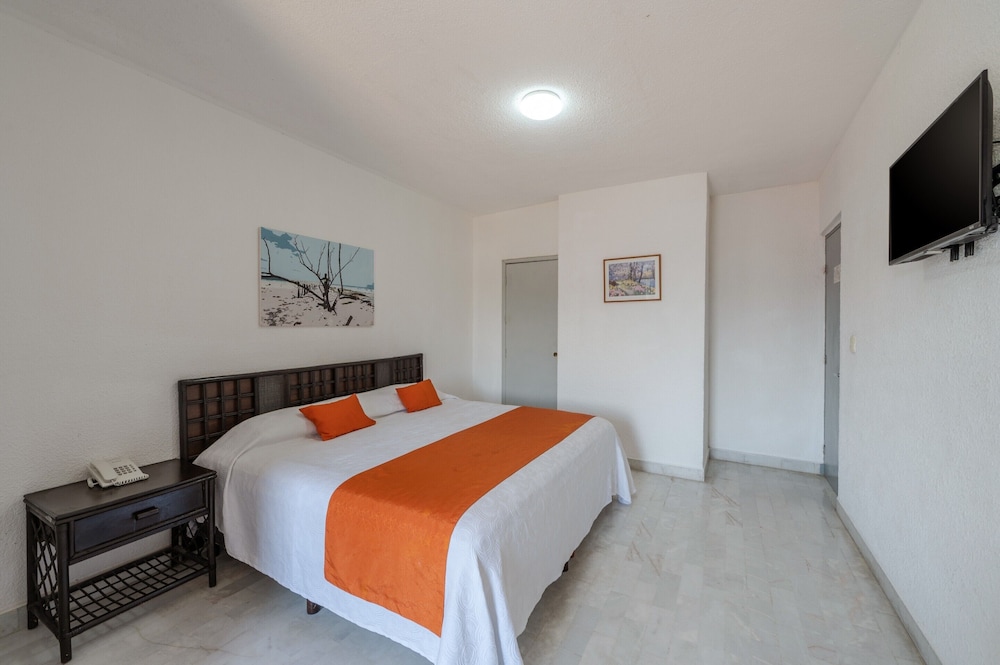
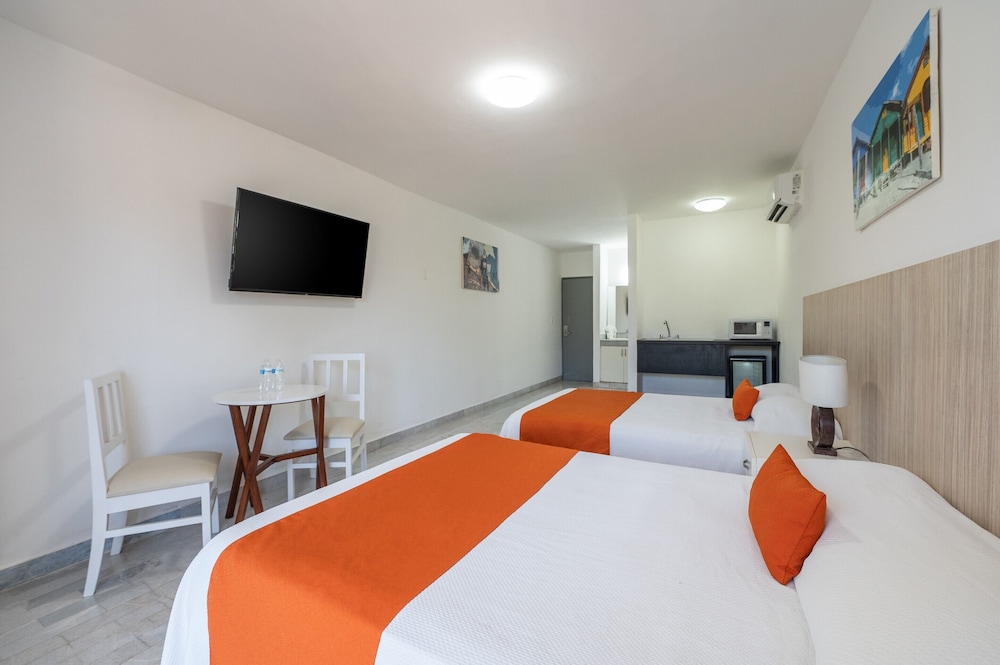
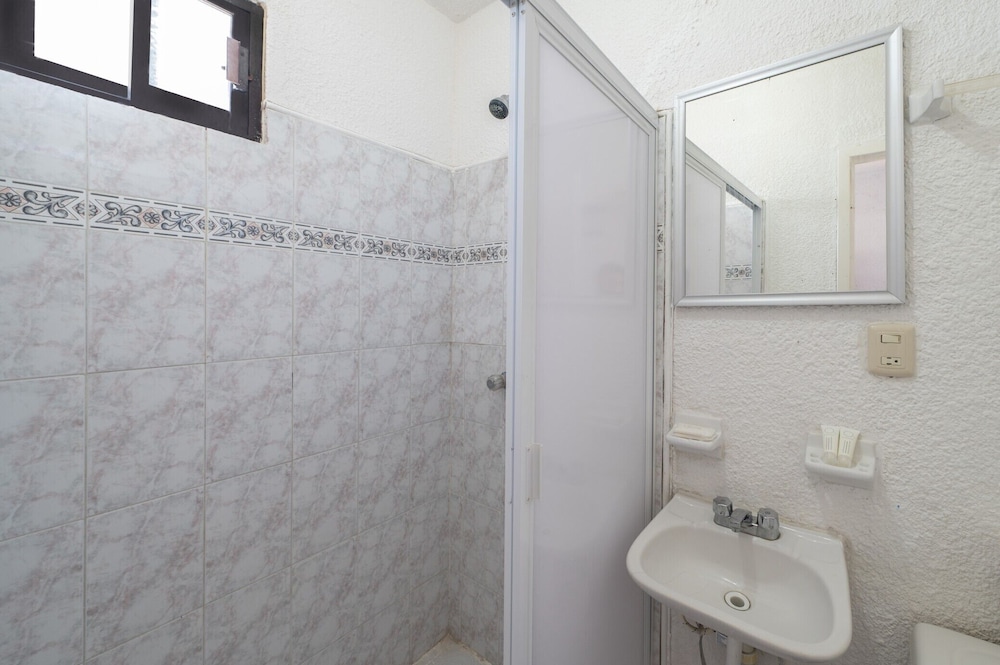
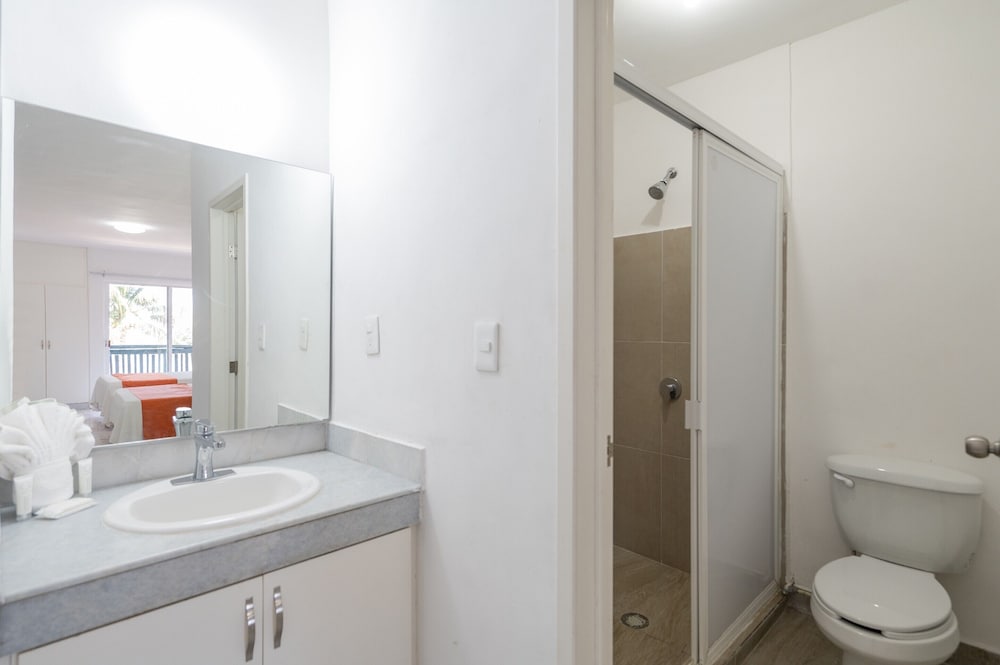
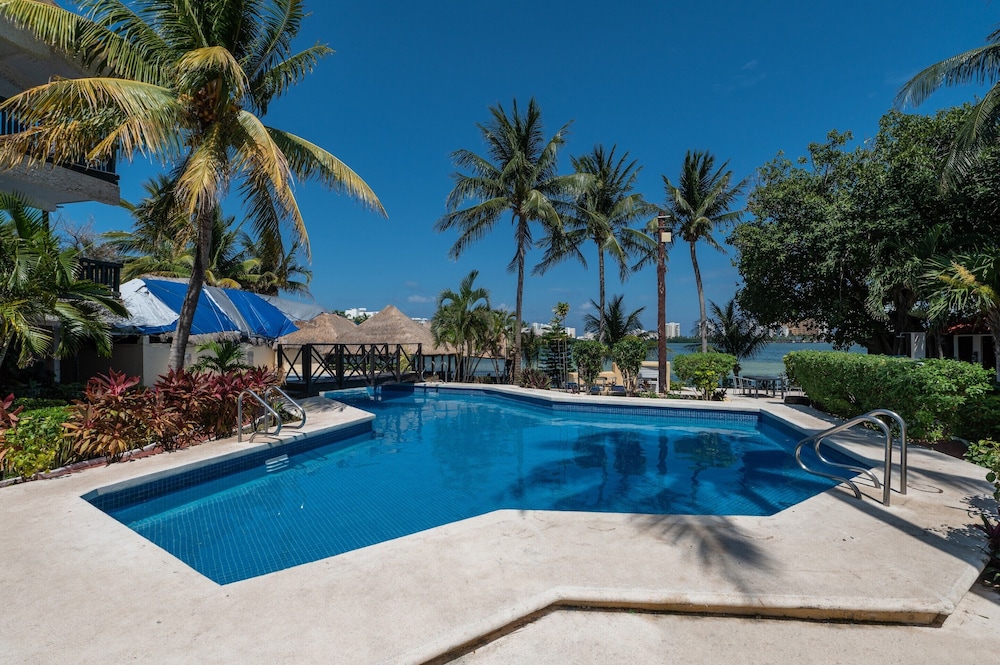
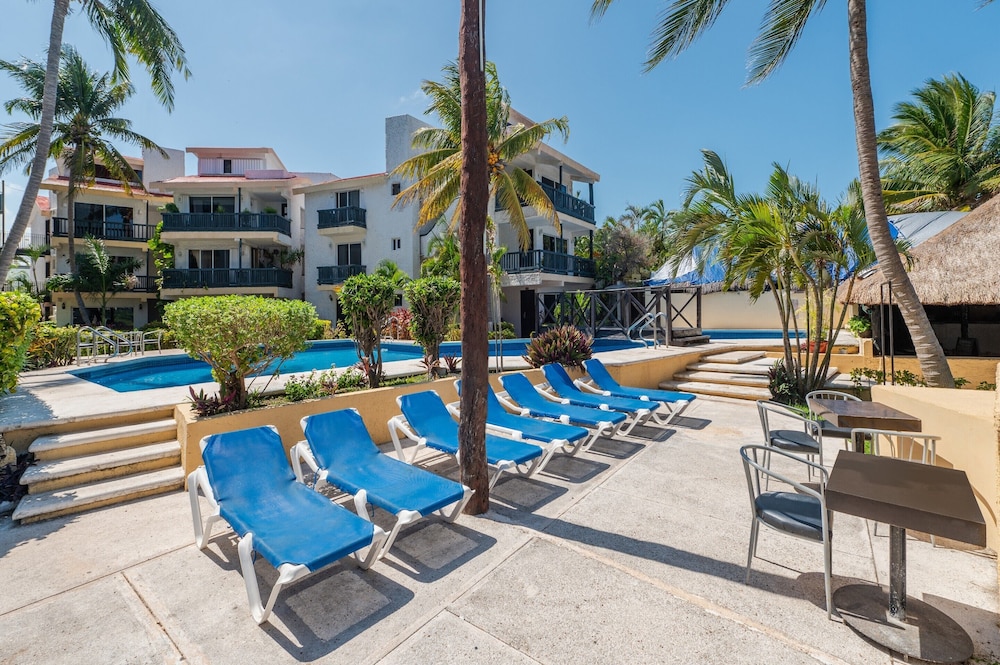
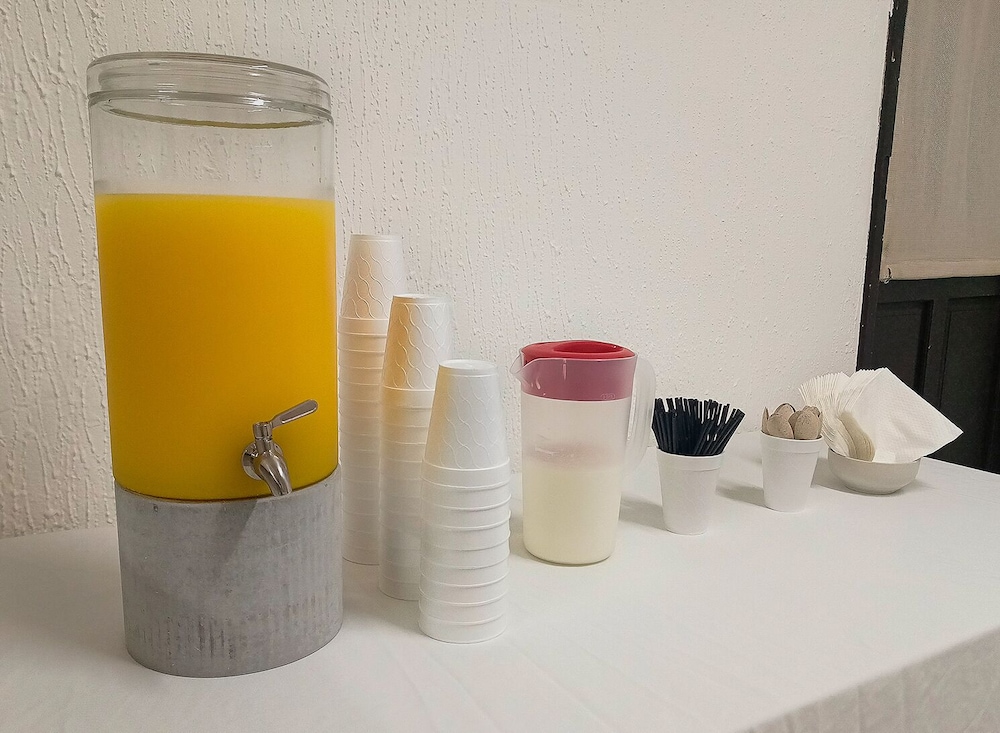
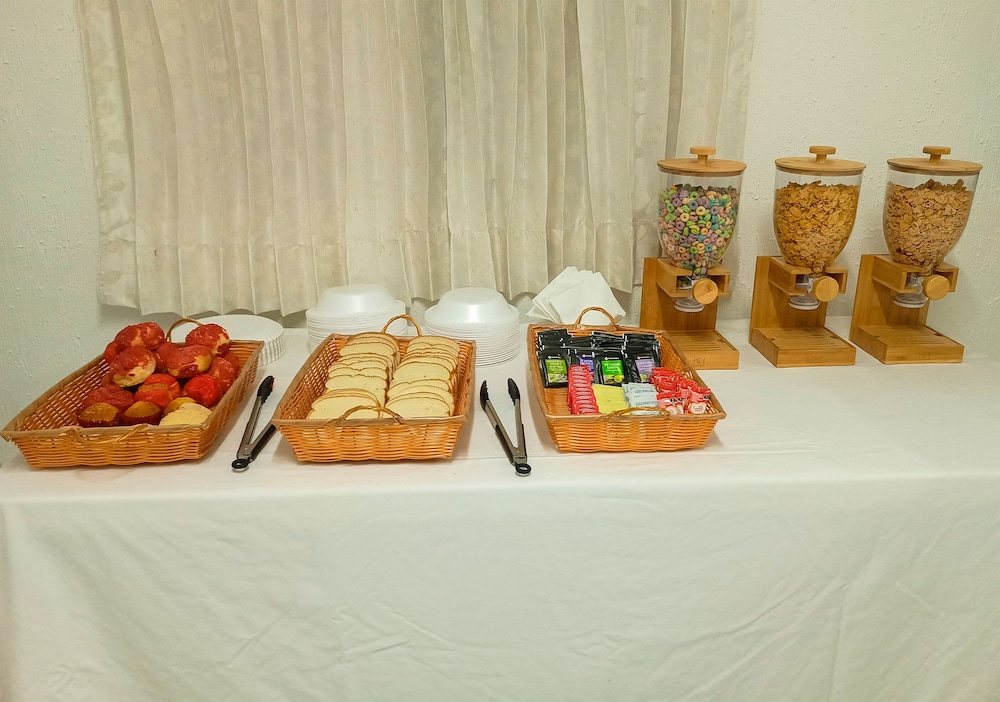
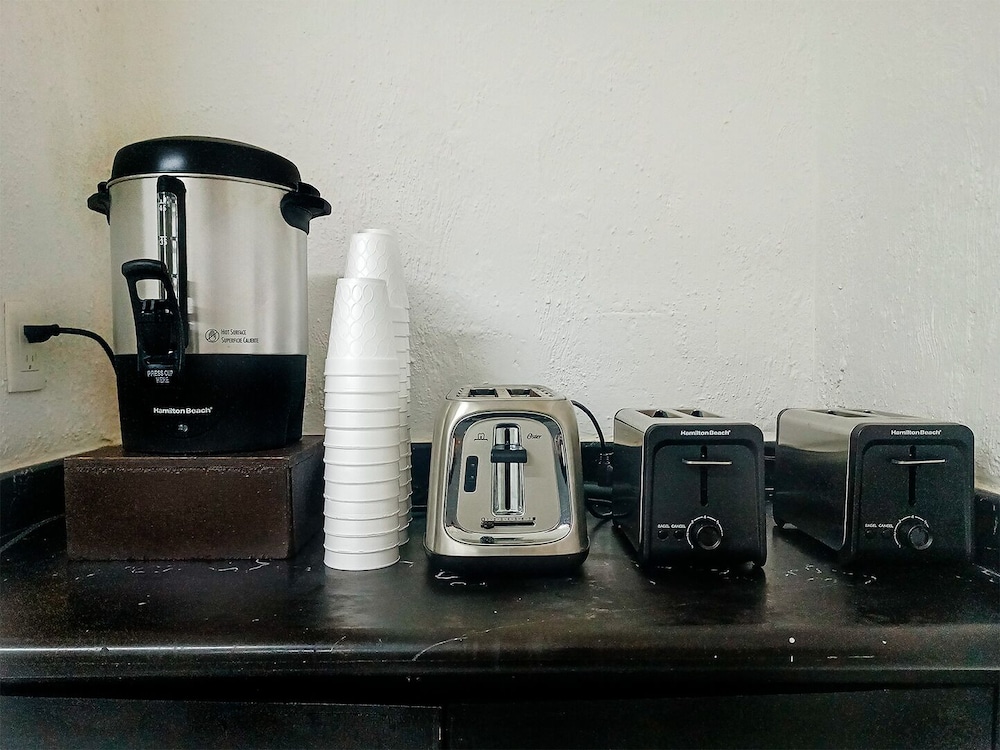
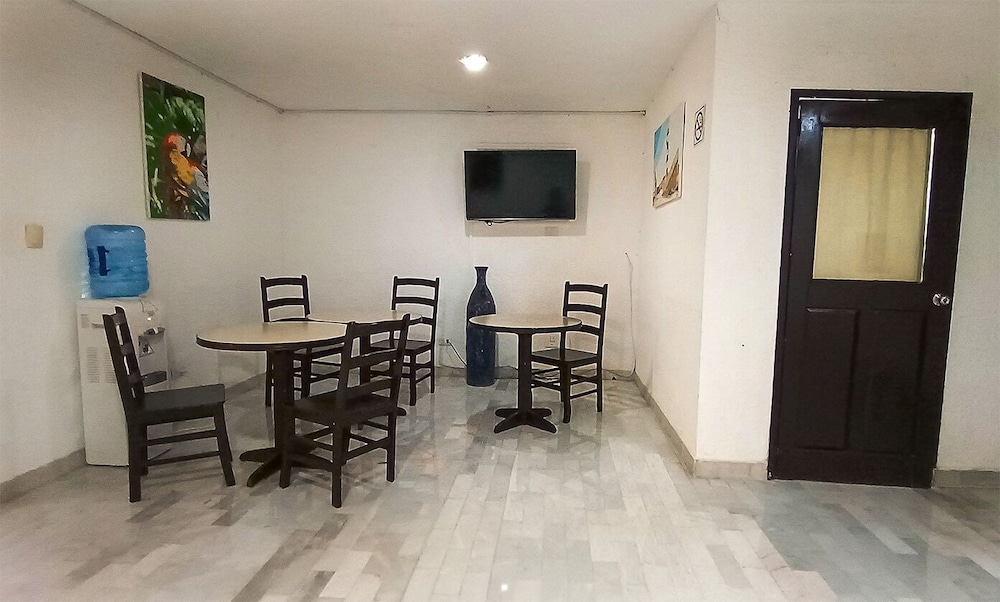
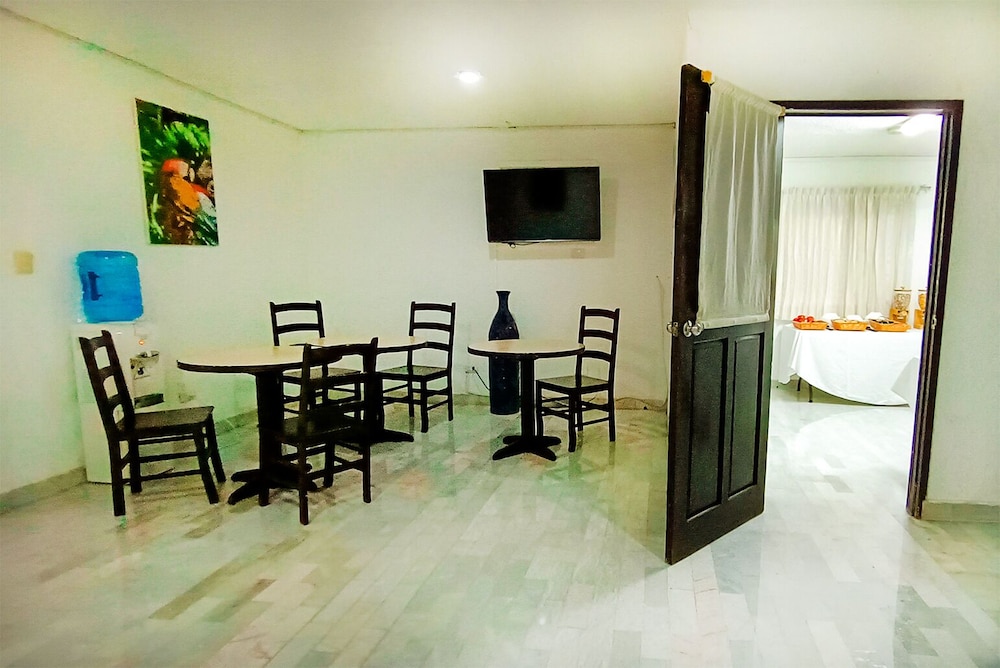
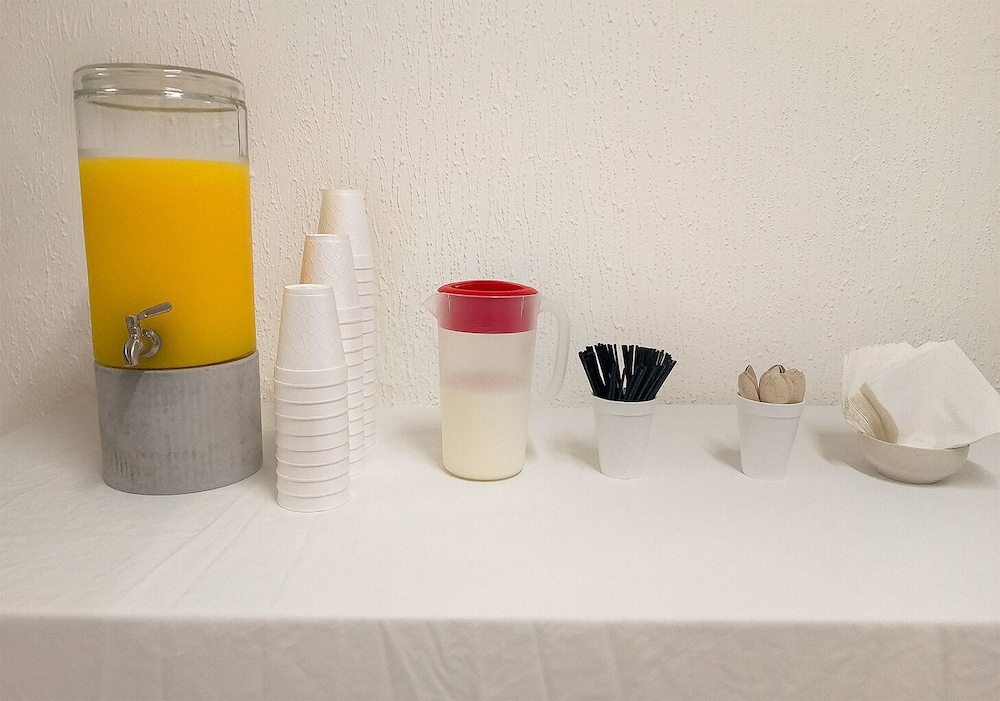
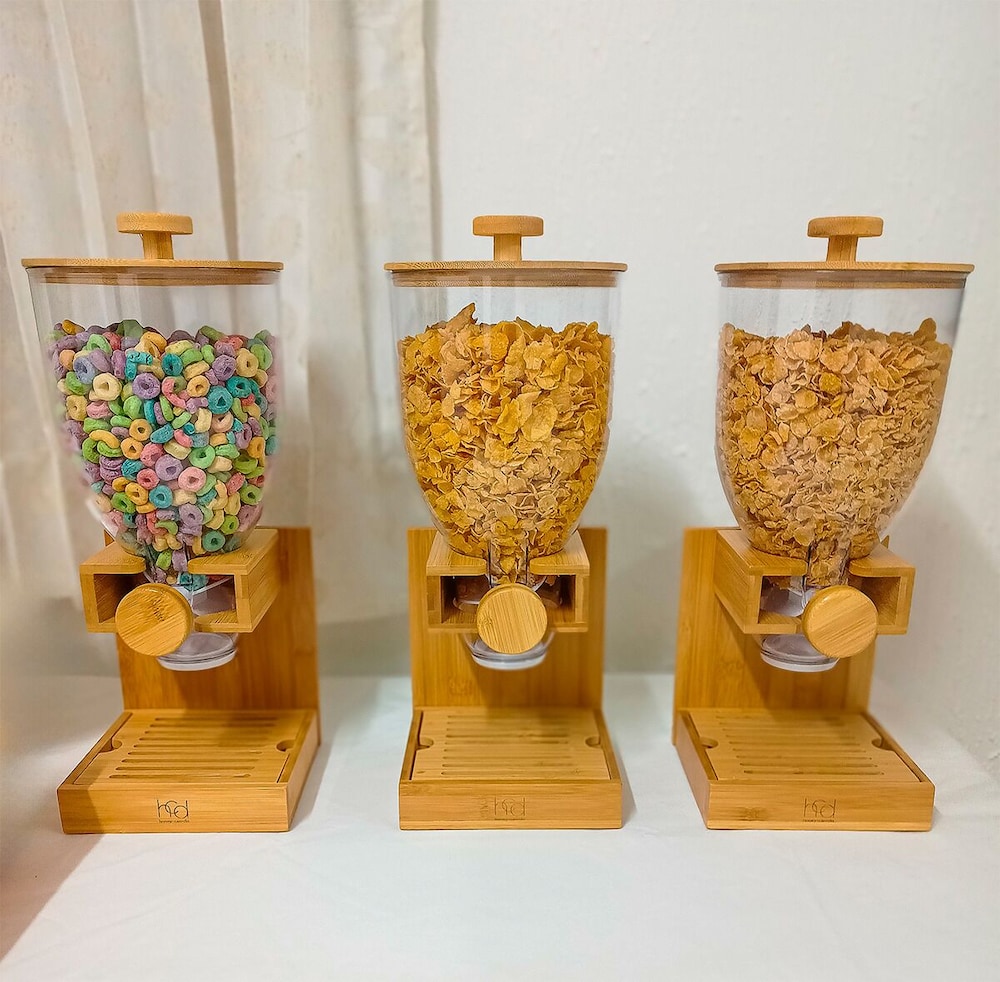
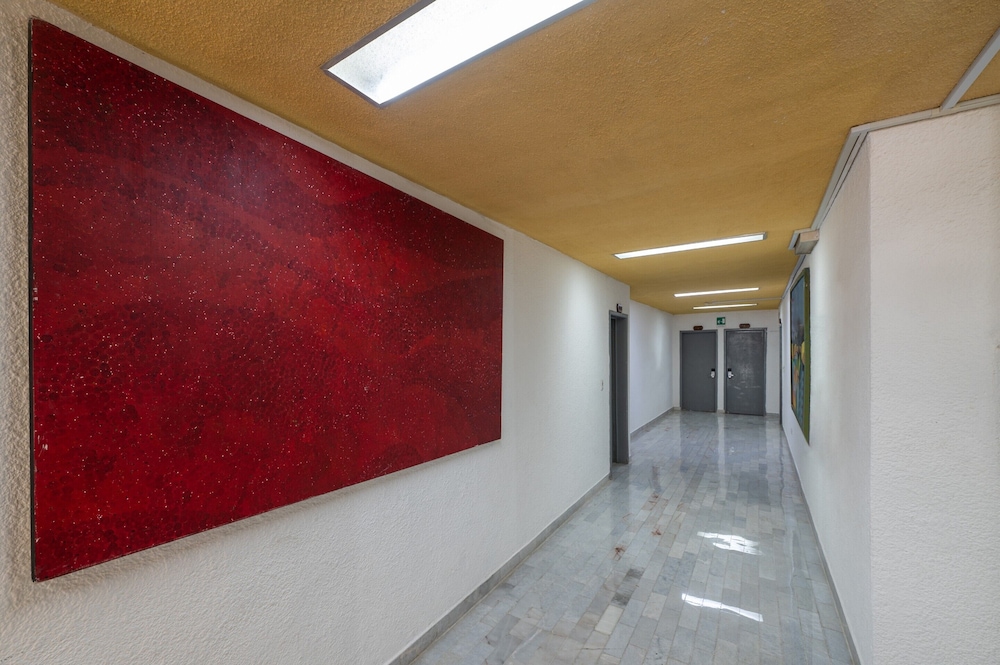
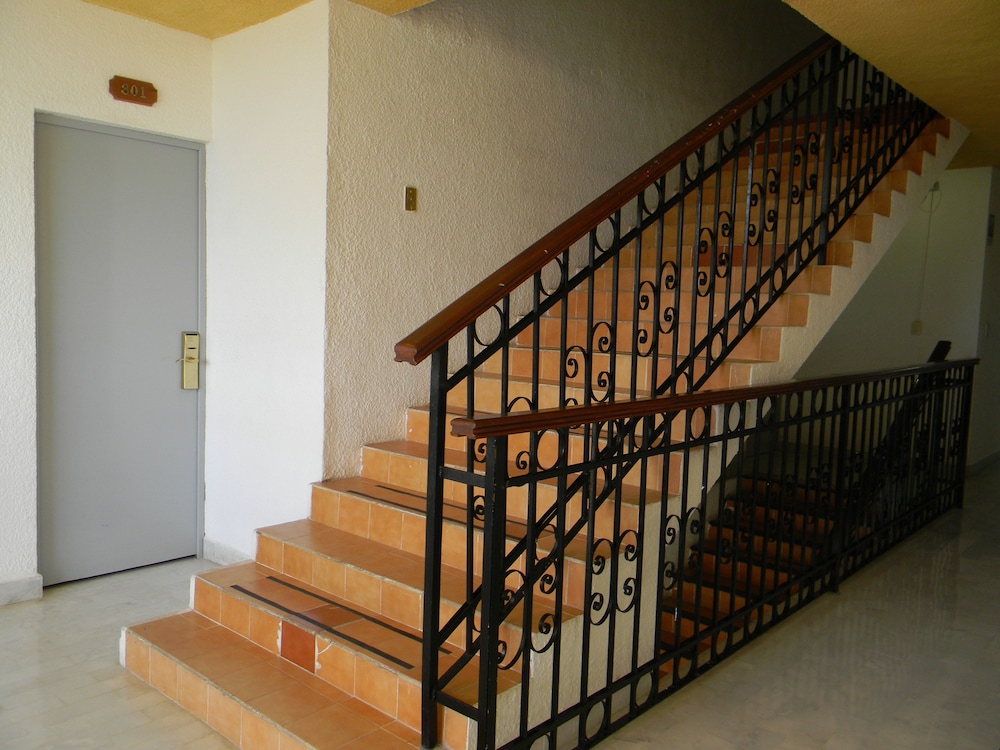
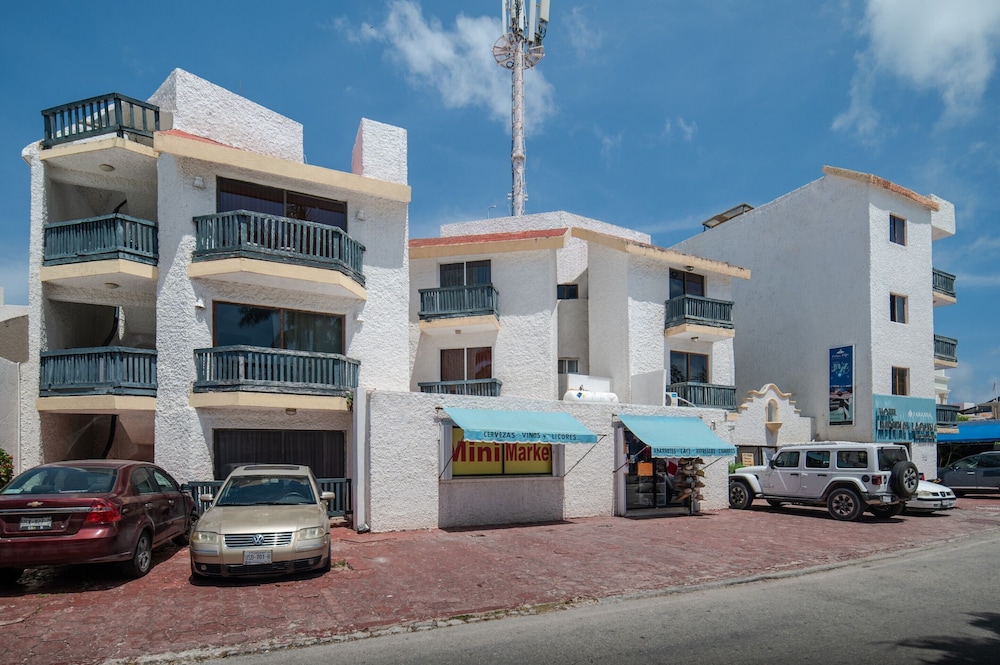
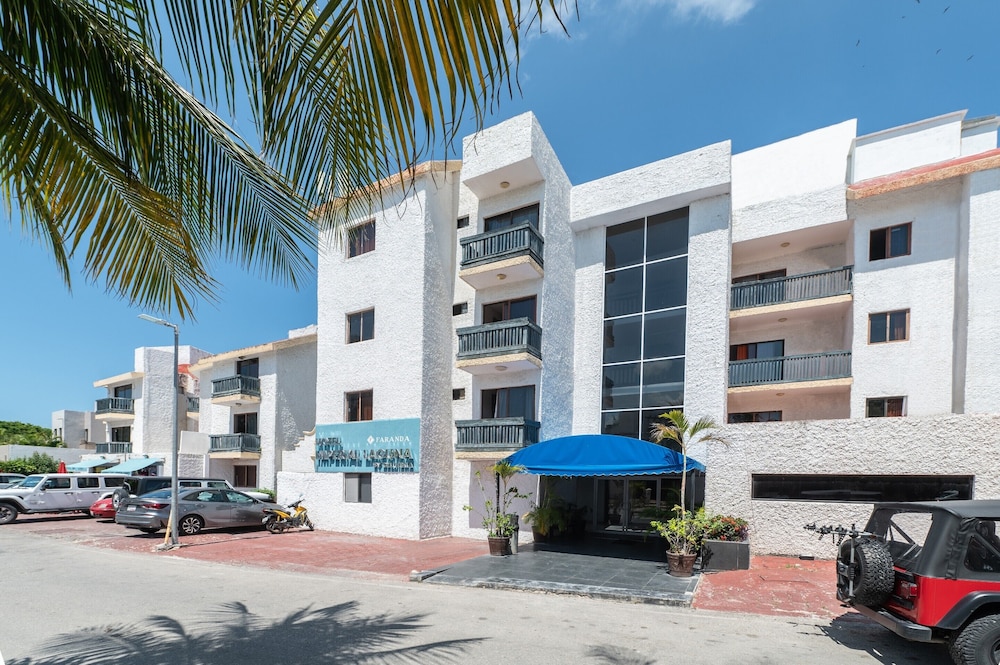
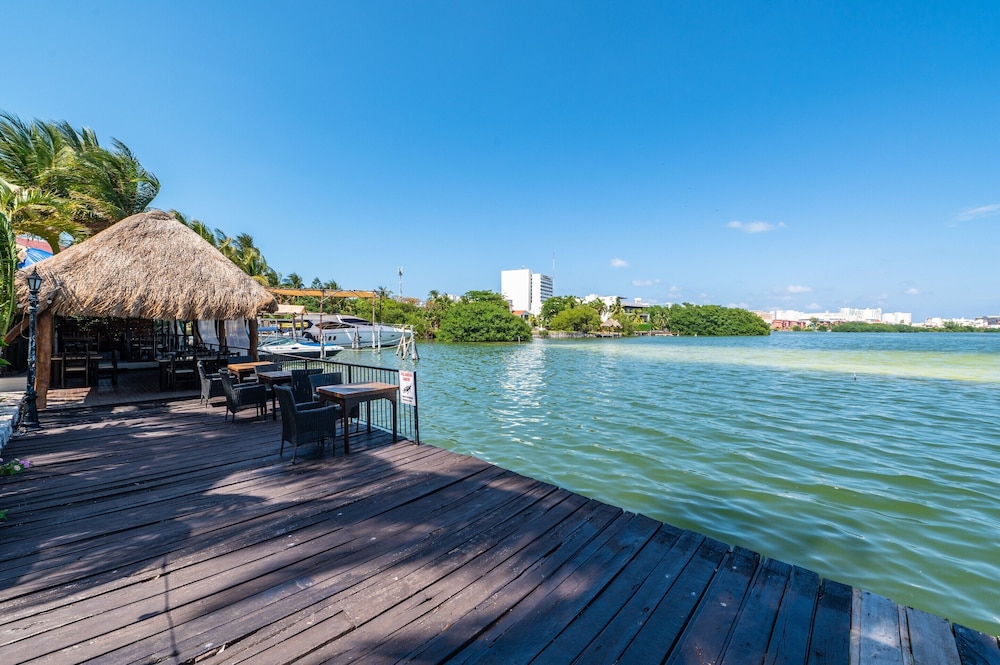
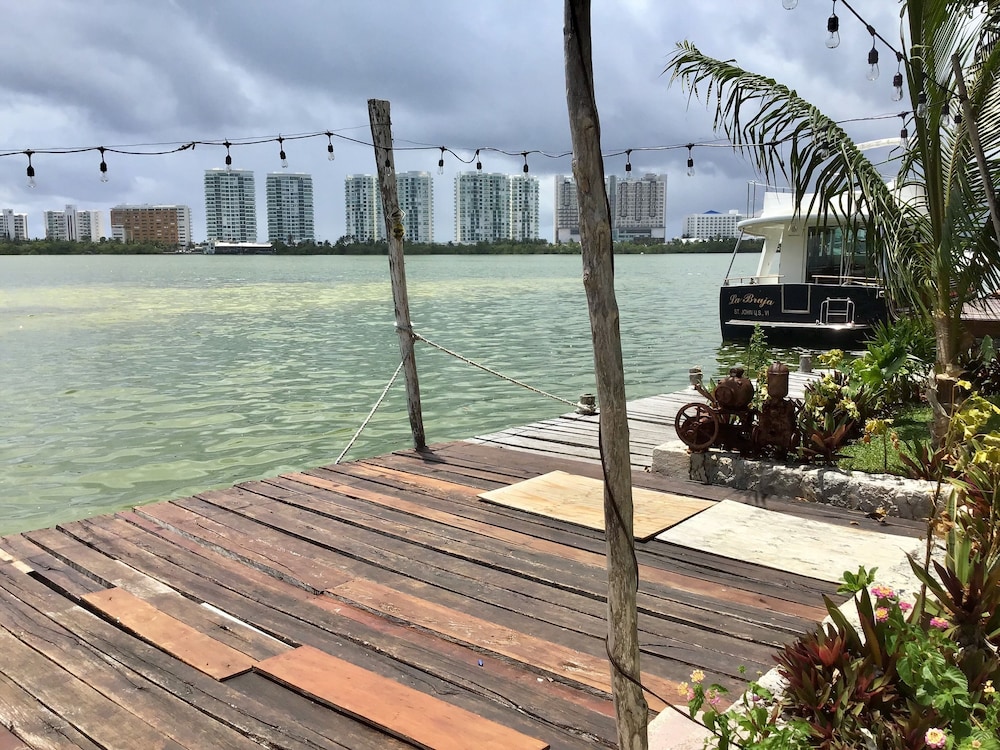
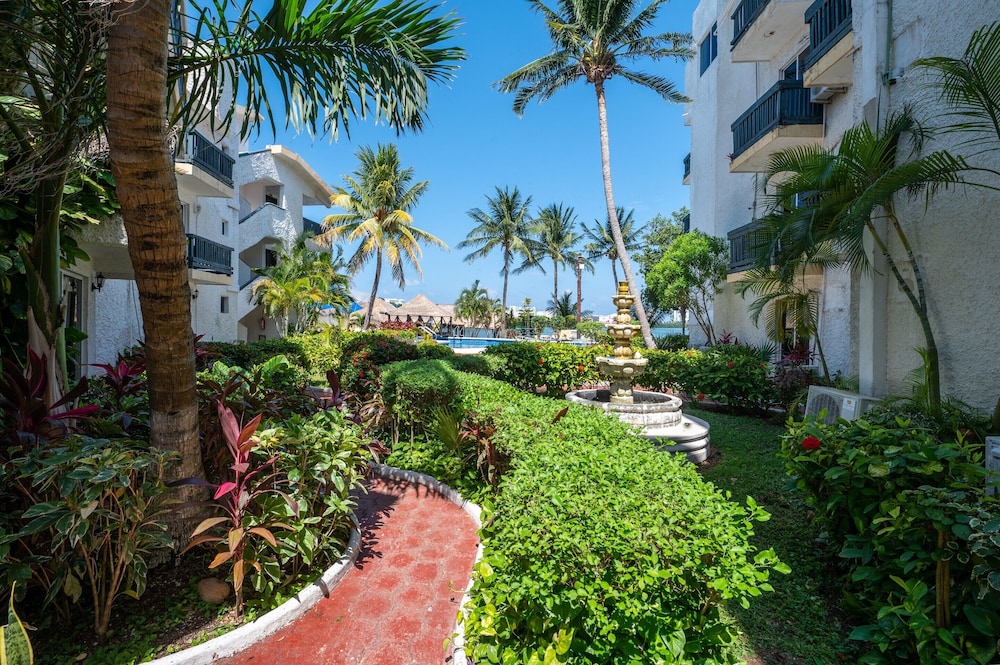
Set in Cancun, Hotel Imperial Laguna Faranda is a two-star property with real observed prices for 2026. Guests have access to beachfront access, a pool and parking. It scores 3.5/5 across 1079 guest reviews — a good rating. In our 2026 scans we observed rooms from US$55 per night.
About Cancun: Cancún's first decision is between two different worlds. All hotels in Cancun →
Facilities
Guest reviews
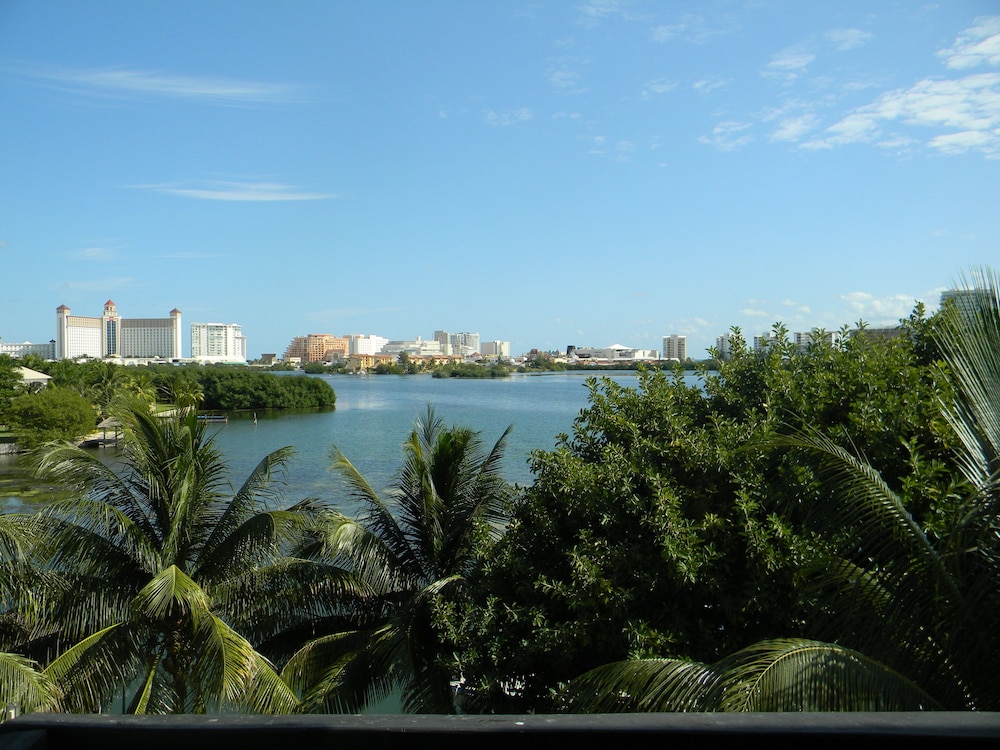
3.51079 reviewsMe and my husband stayed here for 6 nights. The staff are absolutely amazing, giving us a free upgrade. The pool was the best part, no one was ever in it so me and my husband would spend hours there. There is a dock overlooking the lagoon. For the room, the AC is nice, beds are comfy and sort of clean. Just a few stains on the sheets but smelled fresh. The water pressure was weak so I just used bottles of water to rinse my hair. Not a problem. The balcony overlooked the lagoon, sunrises were beautiful. There is no wifi in the rooms, maybe 1 bar if you’re lucky. Room service did a spectacular j…
This place is just okay. VERY tired rooms and facilities that desperately need some love and some modernisation. We stayed here for one night and it was fine for that. Staff were great and rooms were very clean which was the most important thing for us. Room had a fridge which was handy but wifi was pretty weak!
Room was basic but functional. Hot water took some time and shower water pressure was so-so. Hotel could use some TLC, especially in some areas. Laguna view was nice, quiet, and relaxing. Neighbourhood is peaceful and hotel is close to a convenience store and a few restaurants.
Planning your trip to Cancun
When to go
Cancún's calendar has three practical seasons. December to April is the dry one: reliable sun, the sea at its best, and the year's highest prices, peaking at Christmas-New Year, Holy Week and March spring break, when part of the Zona Hotelera becomes a floating college campus. May to July is hot with mid-level prices. August to November is rain and hurricane season: rock-bottom rates, afternoon downpours, and a genuine risk best carried with refundable bookings.
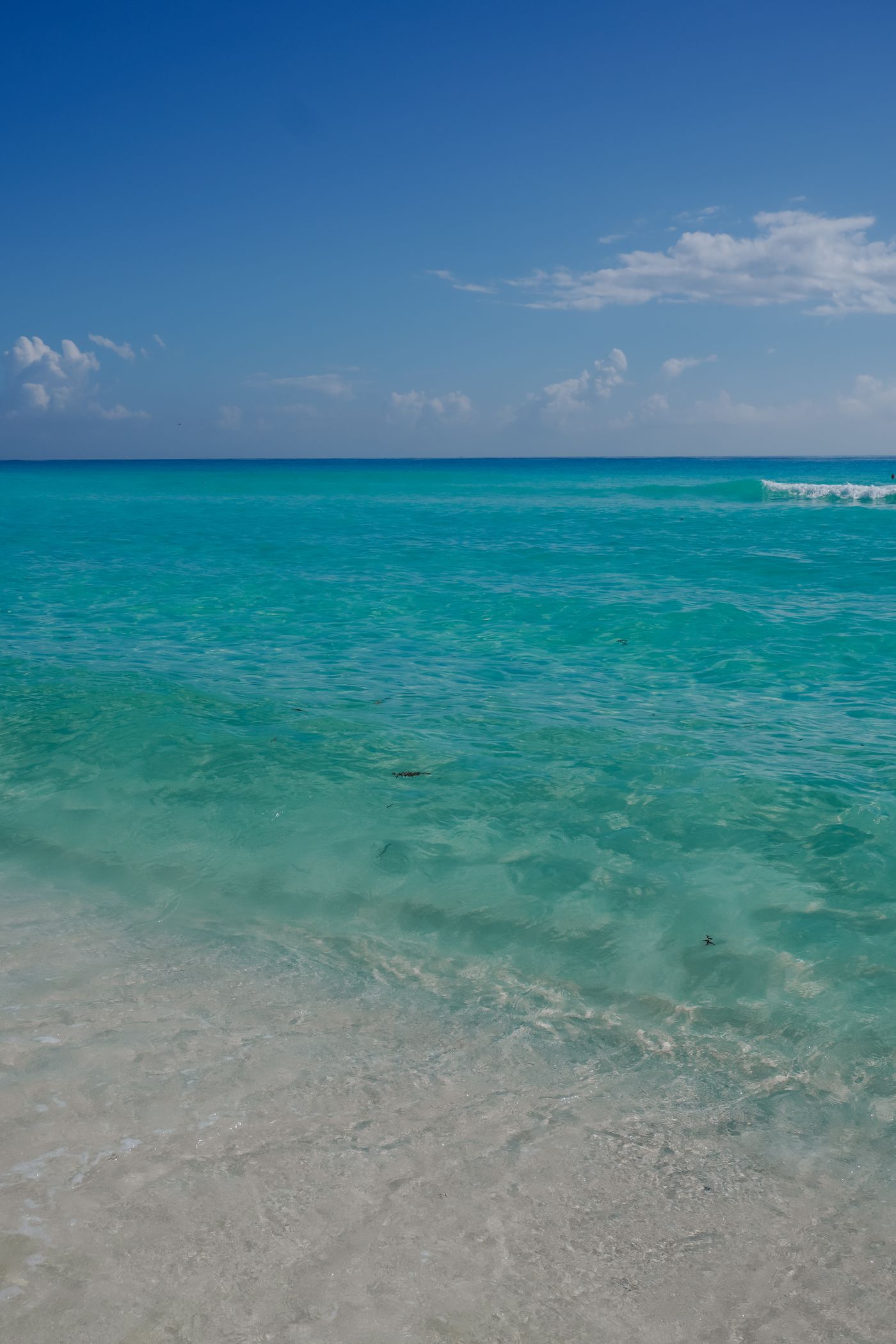
Sargassum is the other variable: from May to October it arrives in waves, with clean-beach weeks followed by mornings buried in weed. The north-facing beaches of the Zona Hotelera, sheltered by Isla Mujeres, usually fare better than the east-facing stretch. If a perfect sea is the point of the trip, the safe months are December to April.
The sweet spot between price and weather tends to be November — heavy rain gone, high rates not yet arrived — and the first half of December. September and October are the bargain months for anyone willing to play weather roulette.
Getting there and around
Cancún's airport is the country's second busiest, and your peninsula trip almost certainly starts here. To downtown, the ADO bus leaves every half hour for about MX$110-130 at 2025 prices. There is no direct public bus to the Zona Hotelera from the terminal: a shared shuttle runs about US$20 per person and a private transfer US$30-60 depending on your hotel's kilometre marker — booking ahead usually beats negotiating on arrival.
Between downtown and the Zona Hotelera, the R1 and R2 buses run the Kukulcán boulevard day and night for pocket change: they are the tool visitors forget to use. Zona Hotelera taxis charge steep zone rates — always agree the fare before getting in — and ride-hailing apps work with frictions that shift by season.
For the rest of the peninsula, the downtown ADO terminal connects to Playa del Carmen, Tulum, Valladolid, Mérida and Bacalar with excellent frequencies. The Isla Mujeres ferry leaves from Puerto Juárez, north of downtown. Rent a car only if your plan is cenotes and ruins on your own schedule; for the classic city-to-city route, the bus wins.
Where to stay, zone by zone
The Zona Hotelera is a 22-kilometre bar between lagoon and sea, and your position on that bar matters. The northern stretch — kilometres 1 to 9, from the mall district to Punta Cancún — has the most sheltered water, the nightlife, and the advantage of walkable restaurants; it is the best zone if you refuse to depend on taxis. From kilometre 9 south, the big resorts line the open beach: wider sand, more surf, and resort isolation — perfect for all-inclusive, awkward for exploring.
Downtown Cancún is another city: markets, taquerías, the bus terminal, and hotels from US$29 a night in our 2026 scans against a citywide typical rate of US$125. Sleeping downtown and beaching by R1 bus is the classic budget play, and it works: the ride takes 20-30 minutes.
Puerto Juárez and the ferry zone, to the north, only make sense as a base if your trip revolves around Isla Mujeres. And an honest note on all-inclusive: in Cancún it is a superbly oiled machine, but it seals you in — people who book it rarely see more of the peninsula. If you want the region, mix it: a few resort nights, a few nights downtown or in another town.
Eating and going out
Cancún has two food cultures. The Zona Hotelera's is international, expensive and designed so you never leave the boulevard: it works, but it rarely thrills. Downtown is the good news: around Parque de las Palapas and in the markets, Yucatecan antojitos — salbutes, panuchos, cochinita — run about MX$20-60 apiece at 2025 prices and taste like the actual peninsula. The tikin-xic fish and market ceviches compete with restaurants charging triple.
The stall-full-of-locals rule applies here as everywhere in Mexico, with one refinement: raw seafood wants lunchtime and high turnover, not a lonely stand at five in the afternoon.
Nightlife is the local industry: Punta Cancún concentrates the mega-clubs, with covers and open bars sold as packages. It is an efficient, touristy party — take it as such and enjoy it, or skip it entirely: sunset beers on the downtown plazas, with trova musicians at Las Palapas, are the opposite plan at a tenth of the price.
Booking well
Cancún is one of the most liquid hotel markets in the Americas: 178 hotels returned a real price in our 2026 scans, from US$29 a night with a typical rate of US$125. That liquidity works for you outside the peaks — with one or two weeks' notice you can usually find anything — and against you at Christmas, Holy Week and spring break, when two to three months ahead is the safe play.
In hurricane season — August to October, statistically peaking in September — the only sensible purchase is a refundable or flexible rate: the discount on a rigid one does not compensate for a cyclone on the radar. Also check what the hotel adds in resort fees or beach-club access: at some properties the room price is only the beginning.
Two local verifications: if the sea matters, look at recent sargassum reports for your hotel's exact stretch — the northern arm usually runs cleaner — and if partying matters (for or against), check which kilometre your hotel sleeps at: staying at Punta Cancún while wanting quiet is a mistake nobody makes twice. Prices on this page are 2026 observations, per night; check the live rate before you book.
Frequently asked about Hotel Imperial Laguna Faranda
How much does Hotel Imperial Laguna Faranda cost?
Prices we observed in 2026 started at US$55 per night. These are scan observations, not a live quote: the final rate depends on your dates. Use the check-availability widget on this page to see the current price.
Where is Hotel Imperial Laguna Faranda?
The address is Calle Quetzal No.11 Km 7.5, Cancun, Mexico, Cancun, about 4 km from the centre. This page's "View on map" link opens the exact spot.
What facilities does Hotel Imperial Laguna Faranda have?
The hotel lists 24 Hour Front Desk, 24H. Security, Air conditioning, Alarm clock, Balcony and Bars. The full list (48 facilities) is in this page's facilities section.
How do I book Hotel Imperial Laguna Faranda?
Pick dates and guests in this page's check-availability widget: it takes you to the live price on app.impt.io, where you complete the booking. Most rooms come with free cancellation, and every booking removes a tonne of CO₂.